How to Make a Home Safer for an Aging Parent | Stockton Senior Resources
How to Make a Home Safer for an Aging Parent
As a parent ages, everyday tasks that once felt simple can become riskier. Loose rugs, poor lighting, cluttered walkways, and bathroom hazards can all increase the chance of falls or confusion. Making a home safer does not always require a major remodel, but it does require careful attention to the spaces your loved one uses most.
Home safety is especially important if your parent has memory problems, mobility issues, vision changes, or a history of falls. A few small changes can reduce risk and make the home easier to navigate. If memory problems are part of the picture, it is also worth reading about what memory care is and the signs it may be needed, since some home environments may no longer be safe regardless of modifications.
Why home safety matters for seniors
Falls are one of the biggest risks for older adults living at home. Even a minor fall can lead to a hospital visit, reduced confidence, or a long recovery. For seniors who live alone, a fall can go unnoticed for hours. Taking steps to reduce hazards before an accident happens is one of the most practical things a family can do.
Remove fall hazards from walkways
Remove loose rugs, secure cords, clear clutter, and keep main pathways open. Tripping hazards often build up slowly, so families may stop noticing them. Do a walk-through of the home and look at every path from the bedroom to the bathroom to the kitchen.
Improve lighting throughout the home
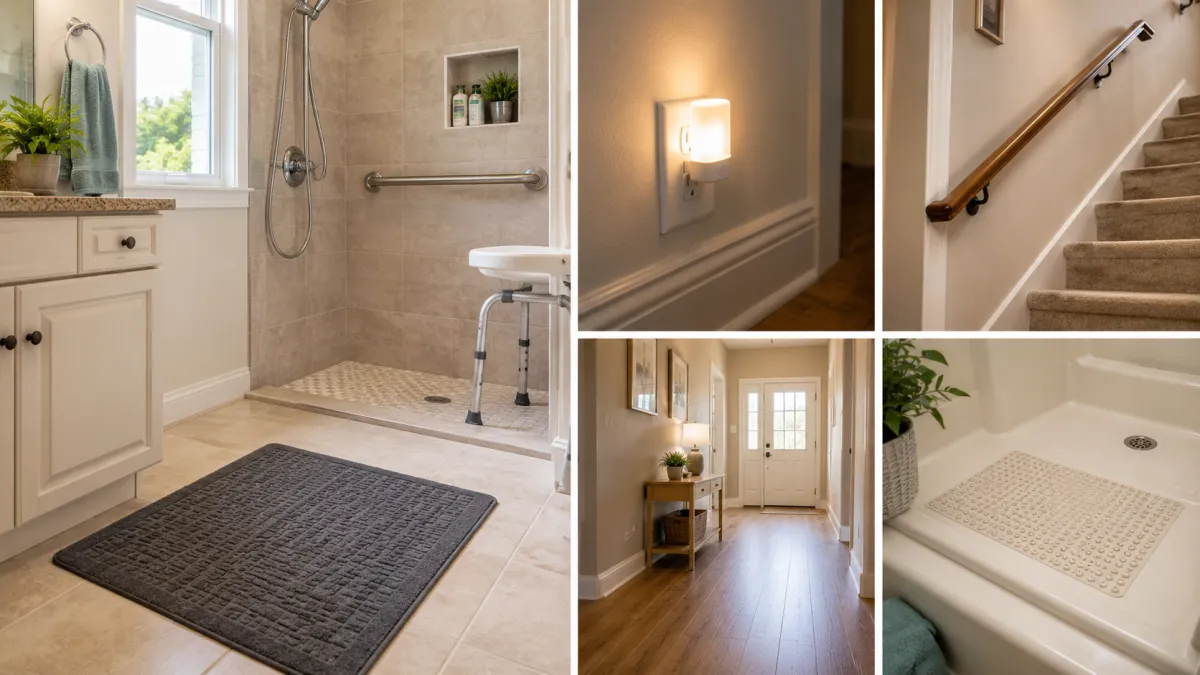
Add brighter bulbs, night lights, and motion lights in key areas like hallways, bathrooms, and bedrooms. Many falls happen at night when a senior gets up and cannot see clearly. Good lighting makes a major difference and is one of the easiest improvements to make.
Make bathrooms safer
Install grab bars near the toilet and inside the shower or tub. Use non-slip mats on the floor. Consider a shower chair or a raised toilet seat if needed. Bathrooms are one of the highest-risk spaces in the home because surfaces get wet and seniors often rush.
Secure the kitchen and appliances
Keep commonly used items within easy reach to avoid climbing or bending. If memory issues are present, consider whether leaving the stove unattended is safe. There are appliance shutoff tools and stove knob covers that can add a layer of protection for seniors with cognitive decline.
Reduce confusion and clutter
A simpler, more organized environment is easier for seniors to navigate. Too much clutter can create both physical and mental stress. Labels on cabinets, consistent placement of everyday items, and removing unnecessary furniture can all reduce confusion and make daily routines easier.
Add helpful assistive tools
Handrails on both sides of the staircase, large-print labels on medications, non-slip footwear, and personal emergency alert systems can all provide extra support. These tools are relatively low cost but can have a significant impact on daily safety and confidence.
When home changes are not enough
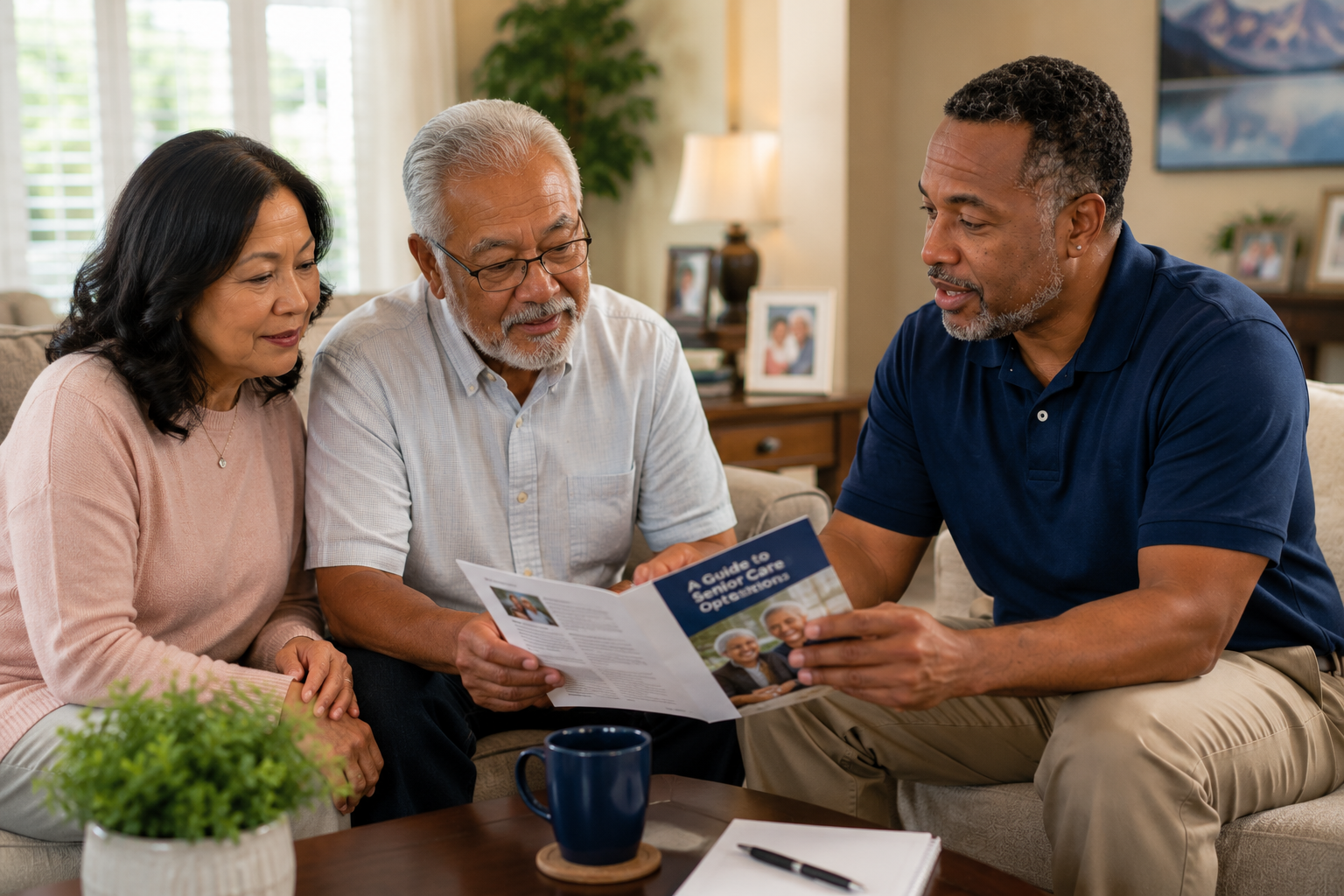
Sometimes a home is no longer the safest setting, even after thoughtful improvements. If falls continue, medications are being missed regularly, wandering is happening, or the family is constantly worried, it may be time to explore more structured support. Our article on when to consider senior placement can help families think through that next decision.
Final home safety checklist
Remove tripping hazards. Improve lighting. Install bathroom grab bars. Simplify and secure the kitchen. Reduce clutter throughout the home. Add assistive tools. Reassess the home environment often as needs change.
FAQs
What is the biggest safety risk for seniors at home?
Falls are one of the biggest risks, especially in bathrooms and cluttered walkways.
How can I improve safety quickly?
Start with lighting, rugs, cords, and bathroom grab bars. Those changes can be made within a day and have an immediate impact.
What if home updates are not enough?
That may be a sign your loved one needs more help than the home can safely provide, even with modifications.
Conclusion
Small changes can make a big difference in helping an aging parent stay safer at home. If the home still feels difficult to manage safely even after updates, it may be time to explore what other support options are available. Acting early gives families more choices and better outcomes.