What Is Memory Care and How Do You Know It's Time? | Stockton Senior Resources
When a loved one begins showing signs of memory loss, confusion, or changes in behavior, families often face one of the hardest questions: what kind of care is needed now? Memory care is a specialized type of senior living designed for older adults living with Alzheimer's disease, dementia, and other forms of cognitive decline. For families in Stockton, California, understanding memory care can help you make a safer, more confident decision for your parent, spouse, or loved one.
Memory care differs from independent living and assisted living in that it offers a higher level of supervision, structure, and support. The goal is not just to provide help with daily tasks but also to create a secure environment where seniors with memory loss can live with dignity and routine. For many families, learning about memory care is the first step toward reducing stress, preventing emergencies, and improving quality of life.
What memory care means

Memory care communities are built for seniors who need help due to dementia-related conditions. These communities often have secure entrances and exits, trained staff, structured daily schedules, and programs designed to support cognitive function. Many also offer assistance with bathing, dressing, grooming, medication reminders, meals, and redirection when confusion or anxiety occurs.
Unlike a standard assisted living community, memory care is set up to reduce risks that are common with dementia, such as wandering, repeated falls, medication mistakes, or getting lost in familiar places. The environment is usually calmer and more predictable, which can help residents feel more comfortable. Families often find that this structure reduces confusion and improves day-to-day safety.
Signs memory care may be needed
One of the biggest questions families ask is when memory loss becomes more than normal aging. Mild forgetfulness can occur as people get older, but memory care may be worth considering when these changes begin to affect safety, independence, or judgment. Common warning signs include repeating questions, missing appointments, forgetting to take medications, leaving appliances on, getting lost while driving, or struggling with basic tasks that used to be routine.
Other signs can include mood swings, irritability, anxiety, withdrawal, wandering, poor hygiene, or suspicious behavior. Some seniors may also become more vulnerable to scams, unsafe financial decisions, or trouble recognizing familiar people. If these issues occur regularly, it may be time to consider memory care options before a crisis occurs.
Families should also pay attention to the home environment. If a loved one is leaving the stove on, forgetting to lock doors, wandering outside, or becoming unsafe while living alone, that is often a strong sign that more support is needed. In many cases, families wait until there is a fall, hospital stay, or emergency before taking action, but earlier planning usually leads to better outcomes.
Memory care vs. assisted living
It is easy to confuse memory care with assisted living because both support seniors who need help. The difference is that assisted living is generally best for older adults who need help with daily activities but still have good cognitive ability. Memory care is better suited for seniors whose memory loss or dementia symptoms pose safety risks or make independent decision-making difficult.
Assisted living communities may offer meals, transportation, housekeeping, and personal care support. Memory care includes many of the same services, but adds extra supervision, more specialized training, and a secure layout. In memory care, staff members are usually trained to respond to confusion, agitation, wandering, and behavioral changes in a calm and supportive way.
How families can evaluate the situation
If you are unsure whether your loved one needs memory care, start by looking at daily routines. Ask yourself whether they are eating regularly, taking medications correctly, bathing consistently, remembering important appointments, and staying safe at home. Notice whether they are becoming more confused in familiar places or whether they need repeated reminders to complete simple tasks.
It also helps to speak with other family members, caregivers, or doctors who may have noticed changes. Sometimes the person themselves may not recognize the problem, which is common in dementia-related conditions. A trusted outside perspective can help you make a more objective decision.
Another helpful step is to think about caregiver strain. If family members are constantly worried, checking in multiple times a day, or managing emergencies, the current setup may no longer be sustainable. Memory care is not a failure. In many cases, it is a practical and loving next step that protects both the senior and the family.
What to look for in a memory care community
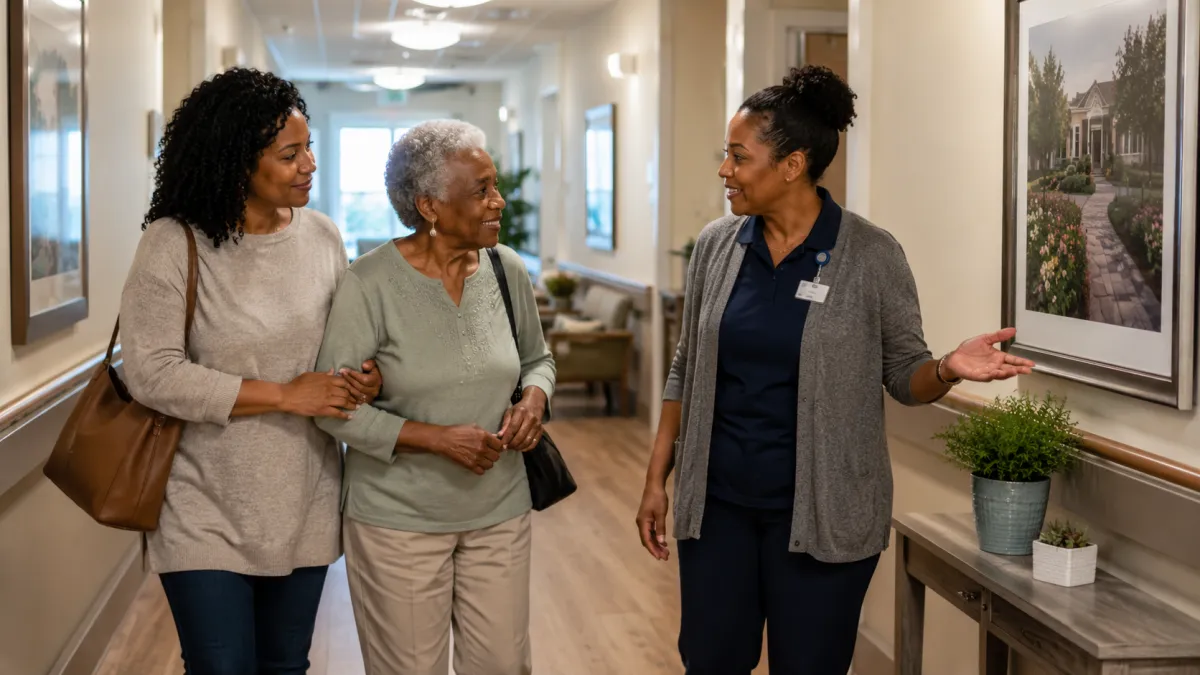
When touring memory care communities, look for a place that feels calm, clean, and organized. Pay attention to whether the staff seems patient and respectful. Ask about staff training, security features, activities, meal support, medication assistance, and how they handle wandering or behavioral changes.
It is also important to ask how the community personalizes care. Seniors with dementia do better when they have routines, familiarity, and compassionate support. A good community should be able to explain how they help residents stay engaged without overwhelming them.
For Stockton families, location matters too. You may want a community that is close to family, doctors, and support networks. That makes it easier to visit often and stay involved in your loved one's care.
Why local guidance matters
Searching for memory care on your own can feel overwhelming because every community sounds similar at first. That is where a local senior placement resource can help. Families often need someone who understands the differences among communities, knows the local options, and can help match care needs to budget, location, and personality fit.
In Stockton and the surrounding San Joaquin County area, families may also need help understanding local services, caregiver support, and community resources. Memory care decisions are rarely just about a building. They are about finding the right support system for a person's health, safety, and daily life.
FAQs
What is memory care?
Memory care is a specialized senior living option for people with Alzheimer's disease, dementia, or other memory-related conditions.
How do I know if my loved one needs memory care?
Common signs include wandering, confusion, medication mistakes, repeated questions, poor hygiene, and safety concerns at home.
Is memory care the same as assisted living?
No. Assisted living helps with daily tasks, while memory care also provides added supervision and support for cognitive decline.
When should families start looking?
It is best to start looking as soon as safety, memory, or behavior changes begin affecting daily life.
Can memory care help with dementia?
Yes. Memory care is designed to support seniors living with dementia through structure, supervision, and specialized care.
Conclusion
Memory care can provide structure, safety, and peace of mind when a loved one can no longer live safely on their own. If you are beginning to notice signs of dementia, memory loss, or unsafe behavior, the most important thing is not to wait too long. The earlier you plan, the more choices you usually have.